When someone searches Google, they usually type a phrase, review the results, and decide which websites to visit. AI search works differently. When someone asks an AI platform a question, the system may investigate several related aspects of that question before producing its answer.
Imagine someone asks, “What are the best lead generation companies for healthcare businesses?” The question looks straightforward, but answering it properly requires more than finding pages containing those exact words. An AI system may need to understand healthcare lead generation, compare providers, look for reviews, examine industry experience, and find information that helps determine which companies are actually relevant to the buyer.
This process is known as a query fanout.
Query fanouts matter because they change how businesses should approach AI visibility. Your website may have a page that answers the customer’s original question, but a competitor may have a much wider collection of content covering the related questions an AI system investigates. That competitor may therefore have more opportunities to appear in the final answer.
Recent research discussed by Neil Patel, based on five million query fanouts, found that AI searches can add terms such as “best,” “reviews,” and the current year to searches, even when those terms were not included in the original prompt. The research also found a substantial increase in fanouts that explicitly referenced Reddit.
For businesses investing in LLM SEO, this creates an important shift. The goal is no longer just to optimise a single page for a single keyword. The goal is to build enough useful, connected information about a subject so that AI systems can understand the brand when they investigate it from different angles.
ChatGPT Is Not Searching Your Question Literally
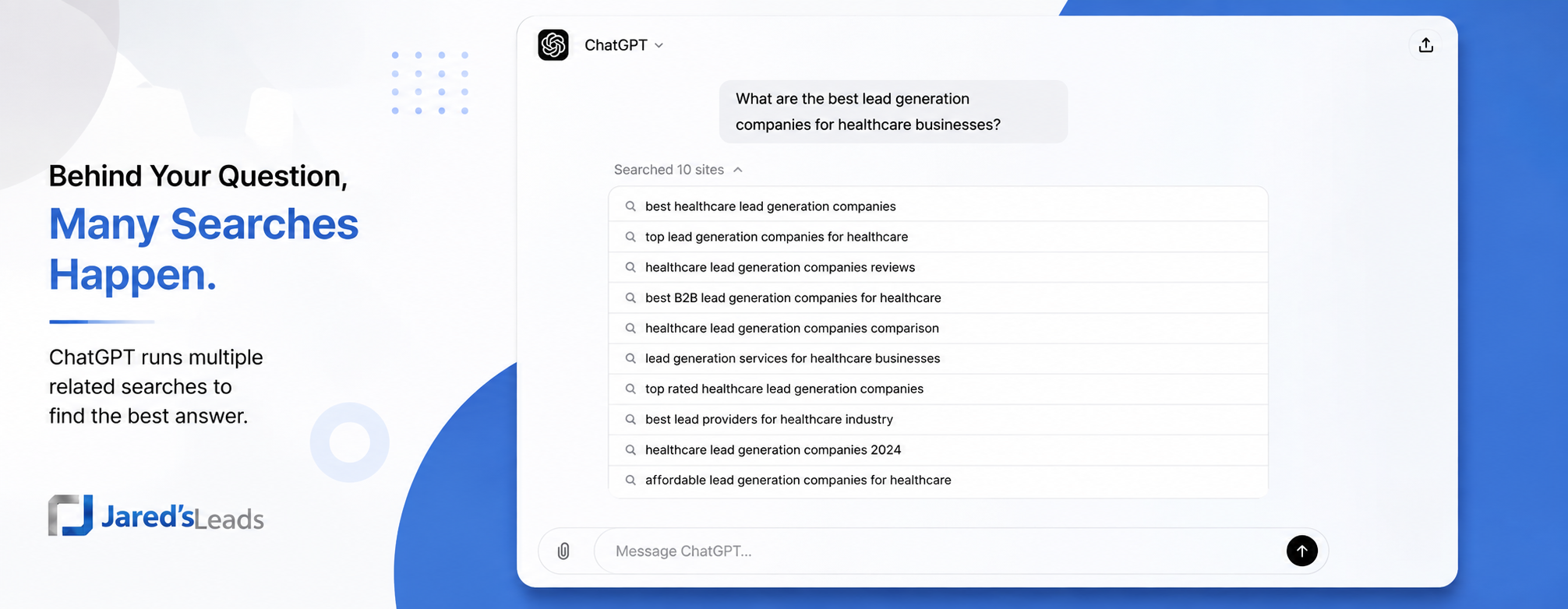
The biggest mistake businesses make when thinking about AI search is assuming that the user’s prompt represents the entire search process.
It does not necessarily work that way.
Consider a question such as, “What are the best B2B email list providers for a technology company?”
The person asking the question probably wants more than a list of company names. They may want to know whether the providers have accurate data, whether the lists can be filtered by industry, whether contacts can be targeted by job title, how current the information is, what the pricing looks like, and whether the data is suitable for their particular campaign.
An AI system trying to provide a useful answer needs information that covers those different considerations. It can therefore investigate several related questions before producing the response.
This is why LLM SEO requires a broader view of content. Instead of asking only what keyword a page should target, marketers need to ask what information an AI system may need before it can confidently recommend a company.
That difference is important.
A company can have a well-optimised page for “B2B email lists” and still have limited AI visibility if it provides little supporting information about the industries served, targeting options, data quality, use cases, pricing considerations, or questions buyers commonly ask.
Jared’s Leads provides a useful example of this broader approach through its B2B email marketing lists content, which explains targeting options and the characteristics buyers need to consider when evaluating business data.
The objective is not to predict every search an AI platform might perform. Nobody can do that reliably.
The objective is to build a strong information environment around the subjects that matter to your customers.
What Is a ChatGPT Query Fanout?
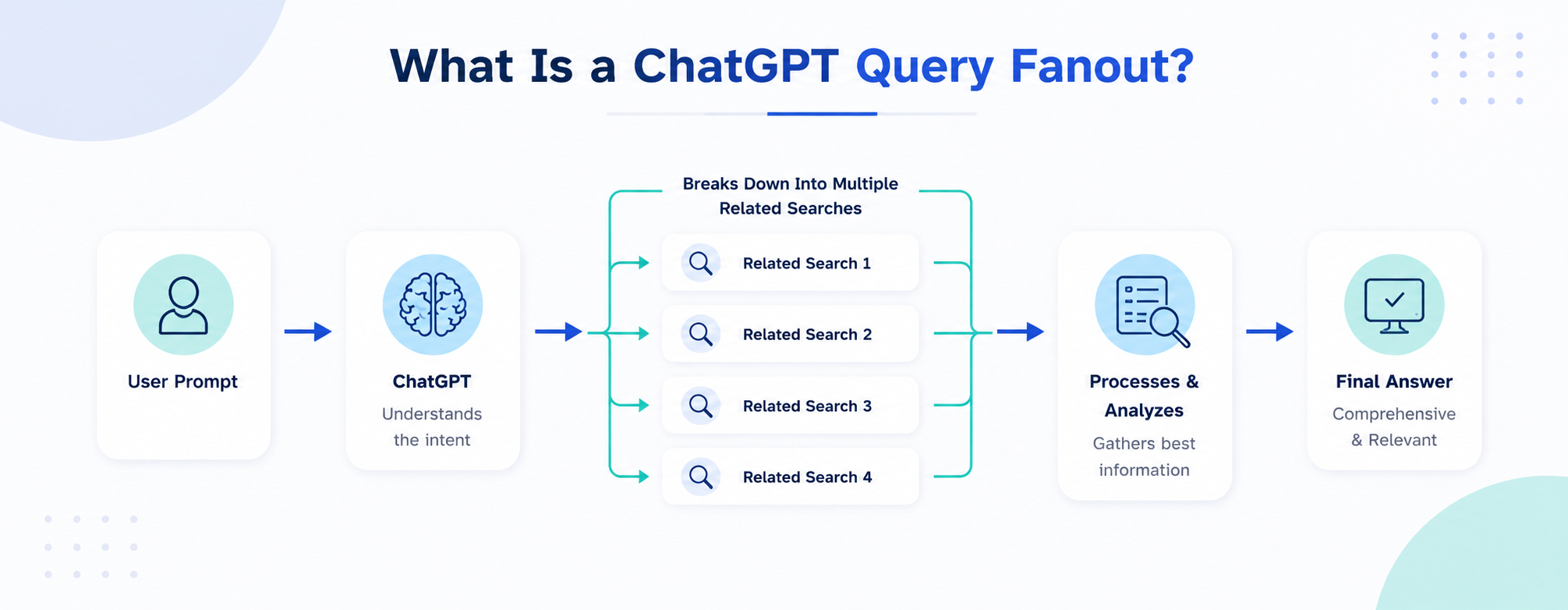
A query fanout is the expansion of a user’s original question into multiple related searches or information needs that help an AI system investigate the subject.
Think about a customer asking, “Which CRM is best for a small real estate company?”
That question may require information about several different things. The AI may need to understand which CRM platforms serve small businesses, which have real estate features, which support lead management, which offer automation, what users say about them, and how their pricing compares.
These are different information needs, even though they all support the same original question.
That is the important part of query fanout behavior. One customer question can represent several underlying questions.
For marketers, this means that a single keyword should not automatically equal a single page.
A stronger content strategy looks at the wider topic and identifies the information customers may need before making a decision.
For example, a company targeting B2B lead generation could build supporting content around:
- B2B lead generation strategies
- B2B email lists
- Industry specific business leads
- Lead quality and verification
- B2B prospecting
- Email marketing
- Lead nurturing
- Lead generation costs
- Data targeting and segmentation
- Questions to ask before buying a lead list
These topics should not exist simply to create more URLs. They should exist because they answer different parts of the same customer problem.
When those pages are connected through meaningful internal links, they create a much clearer picture of the company’s expertise and the subjects associated with its brand.
How One Customer Question Can Become Multiple Searches
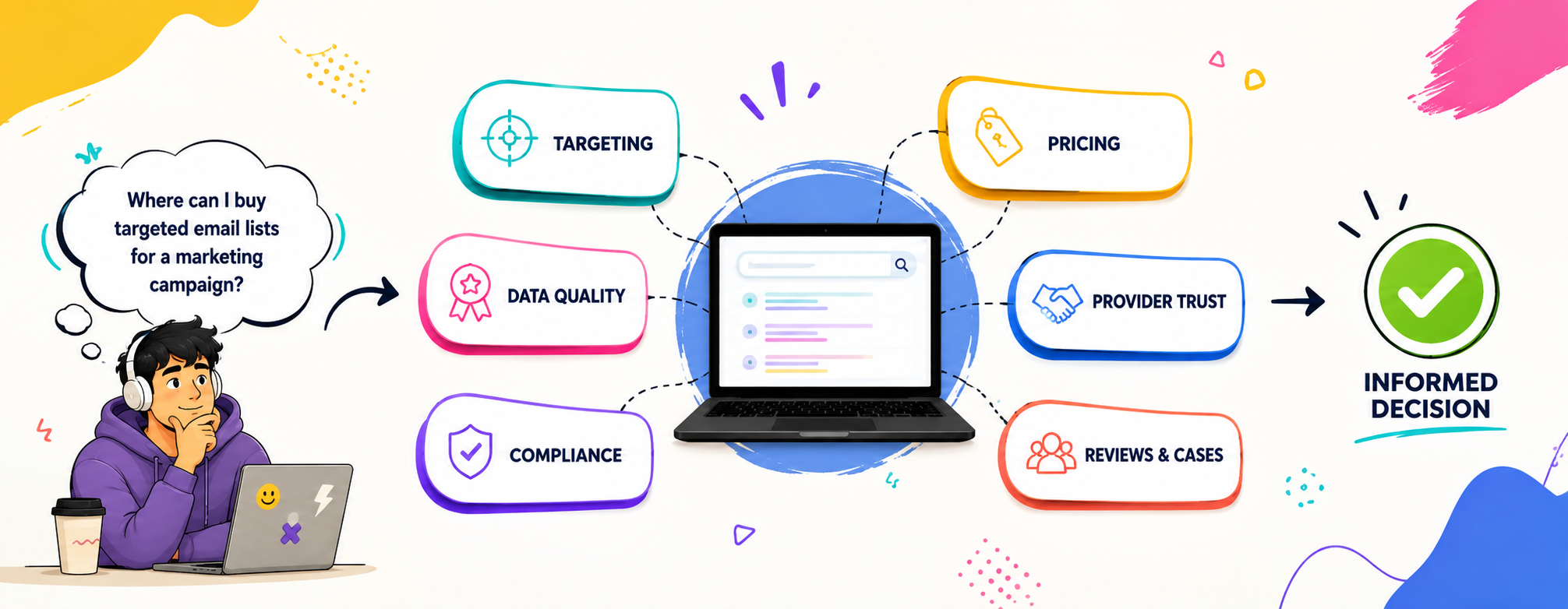
The easiest way to understand query fan outs is to look at the buyer’s decision process.
Imagine a business owner asks an AI platform, “Where can I buy targeted email lists for a marketing campaign?” At first, the question appears transactional. But the buyer still has several concerns that need to be resolved before purchasing.
They may want to know whether the list is targeted to their audience, how the data is maintained, whether a particular geography or industry can be selected, what information is included in each record, and how the provider compares with other options.
An AI system trying to provide a useful recommendation needs information covering those considerations. This is why a company website should not treat the main commercial page as its only important asset.
A strong website should have supporting pages that explain the product, audience, use cases, buying process, data quality, and questions customers are likely to ask. The broader email lists section of Jared’s Leads provides an example of this approach by covering different types of marketing data and the ways businesses can use them.
The same principle applies to editorial content.
Instead of publishing an article simply because a keyword has search volume, start by understanding the questions behind that keyword. Those questions become the foundation for a content cluster.
This is also where semantic relationships become important. A page about B2B email lists can naturally connect with content about lead generation, sales prospecting, email marketing, audience targeting, and data quality. These subjects reinforce one another because they describe related parts of the same business problem.
What AI Search Source Preferences Tell Us

AI search is becoming more sophisticated in the way it interprets a user’s intent. Instead of looking only at the words in the original prompt, an AI system can explore related information before producing its answer. It may look at comparisons, reviews, current information, alternatives, and specific use cases to better understand what the person is actually asking.
One important pattern is the growing importance of terms such as “best,” “reviews,” and the current year within AI generated searches. These terms reflect how people often make decisions. A person looking for a recommendation usually wants more than a list of options. They want relevant choices, current information, comparisons, and evidence that can help them make a decision.
For content creators, this means it is worth covering more than basic definitions.
If your business sells a service, explain what the service is, but also explain how customers should evaluate providers, what factors matter, what mistakes to avoid, how different options compare, and what questions buyers should ask.
That does not mean inserting “best” into every heading or creating content simply because a phrase appears in an AI search. The goal is to provide genuinely useful information around the decision a buyer is trying to make.
This connects directly with the principles explained in Jared’s Leads’ guide to AEO. AEO is about making information clear, trustworthy, structured, and useful for the questions that people and AI systems are trying to answer.
For businesses working on LLM SEO, the larger objective is to create a digital footprint that gives AI systems enough relevant information to understand what the company does, who it serves, what problems it solves, and why it should be considered.
Why Reddit, Reviews, and Third Party Sources Matter
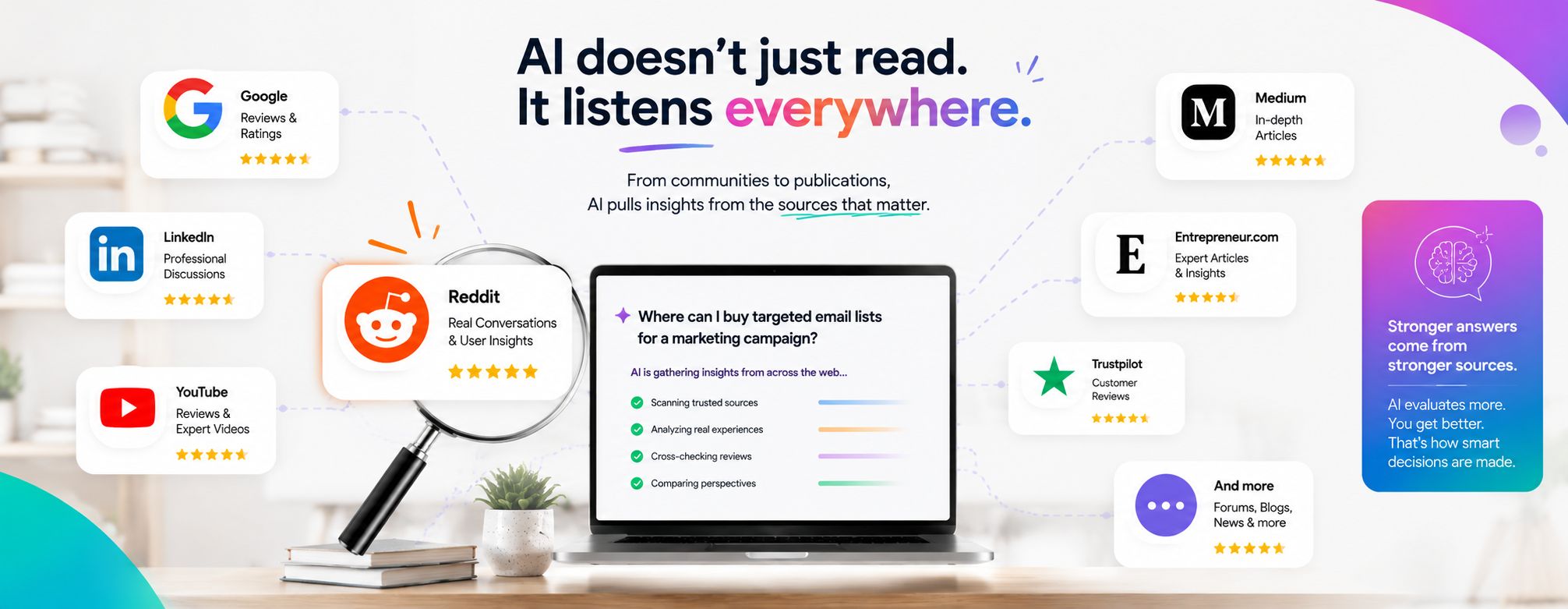
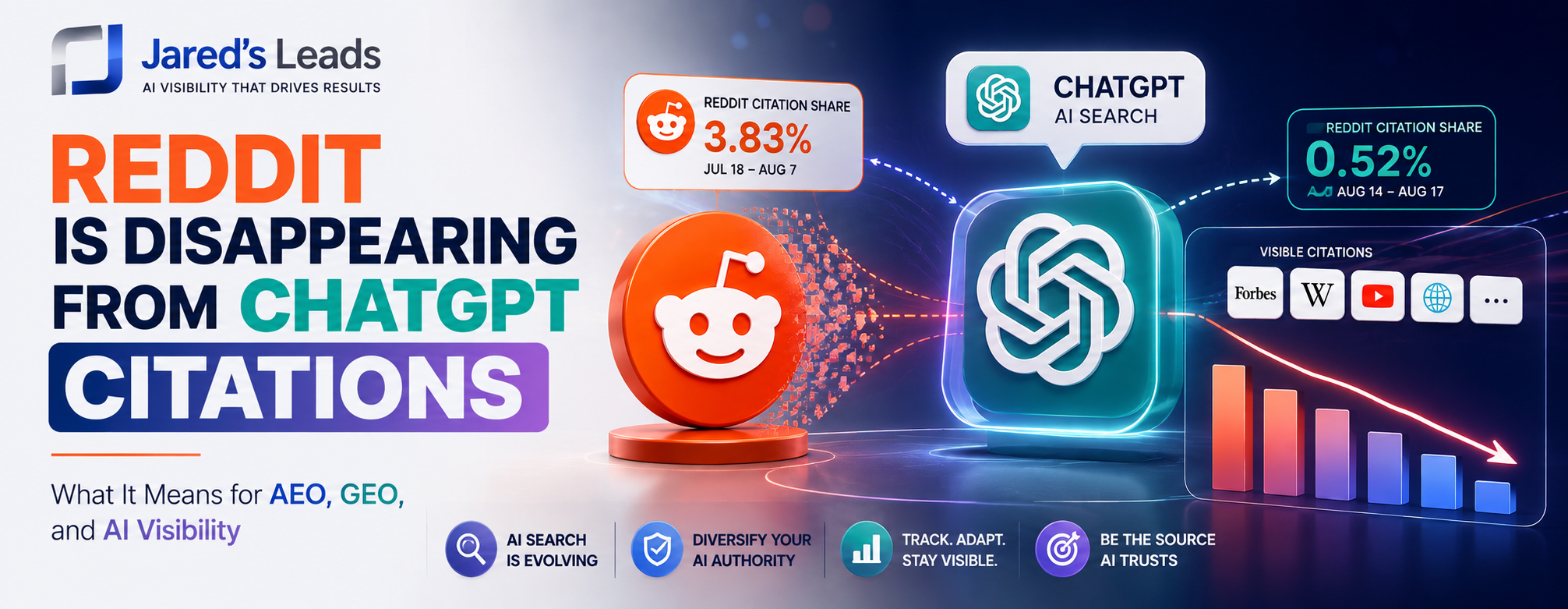
Another important finding from the research is the increase in query fanouts that specifically referenced Reddit. According to the analysis, Reddit references in ChatGPT fanouts increased from approximately 0.15 percent to 3.68 percent between January and May 2026.
There is a broader lesson here.
AI systems do not rely exclusively on company websites. They can also look for experiences, opinions, reviews, comparisons, discussions, and other information published outside the company’s own domain.
That matters because a company’s AI visibility is influenced by its wider digital footprint.
A business might have excellent content on its own website, but if competitors have stronger third party coverage, more legitimate reviews, more industry mentions, or more useful discussions around their products and services, the AI may have more evidence supporting those competitors.
Businesses should therefore think about several types of authority:
- Relevant industry publications
- Genuine customer reviews
- Professional directories
- Expert contributions
- Independent comparisons
- Industry communities
- Digital PR and media coverage
- Consistent business information across trusted websites
This does not mean creating fake reviews or manufacturing Reddit discussions. In fact, doing that undermines the very quality that makes community information useful.
The better approach is to build something worth discussing, provide a good customer experience, encourage legitimate feedback, and earn genuine mentions from relevant sources.
This fits closely with Jared’s Leads’ broader AEO strategy, which treats authority, citations, reviews, consistent business information, and third party references as important parts of AI visibility.
Query Fanouts and AI Citations
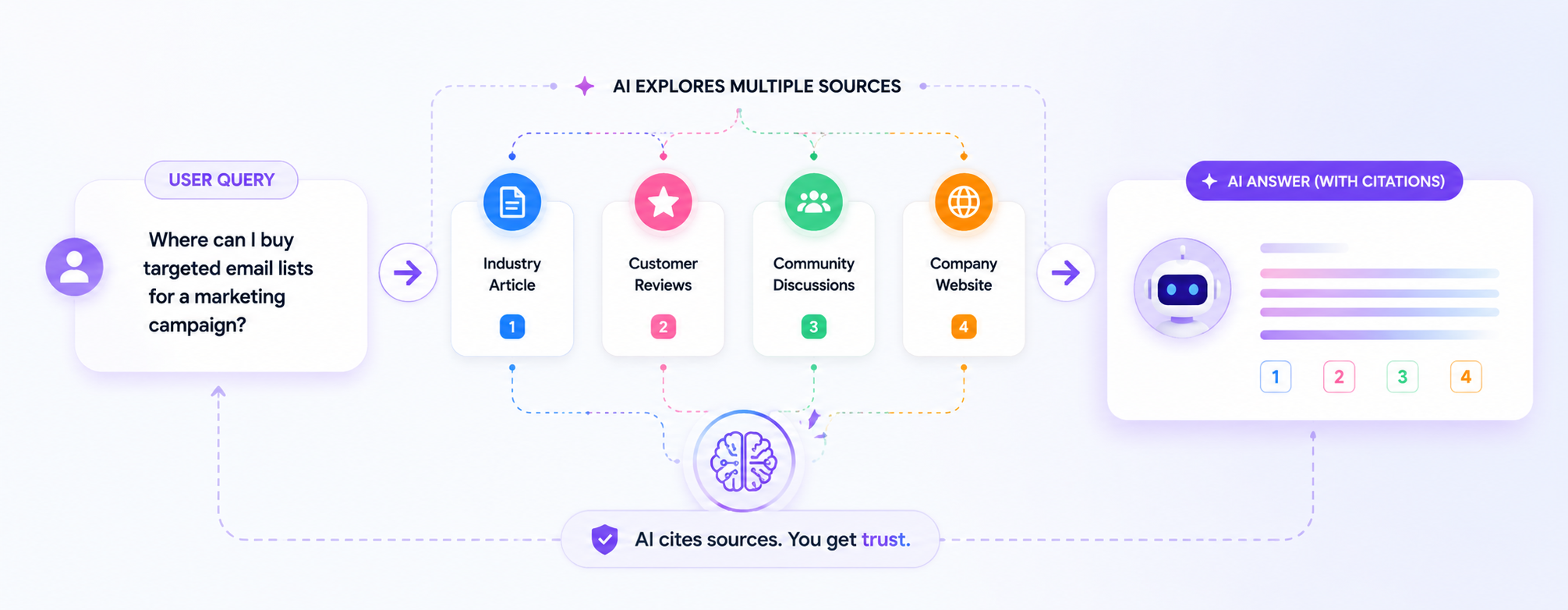
Most companies currently measure AI visibility with a fairly simple question: “Did the AI mention my company?”
That is useful, but it only tells you what happened at the end of the process. Query fanouts introduce another question: What was the AI looking for before it selected its sources?
This distinction can make AI visibility audits considerably more useful.
Suppose your company appears when someone asks a general question about your industry but disappears when the prompt becomes more specific. Several things could be happening. You may have strong general authority but weak coverage around a particular use case. A competitor may have better comparison content. Another company may have stronger reviews or third party mentions. Your website may explain your service but fail to address the questions buyers ask when evaluating providers.
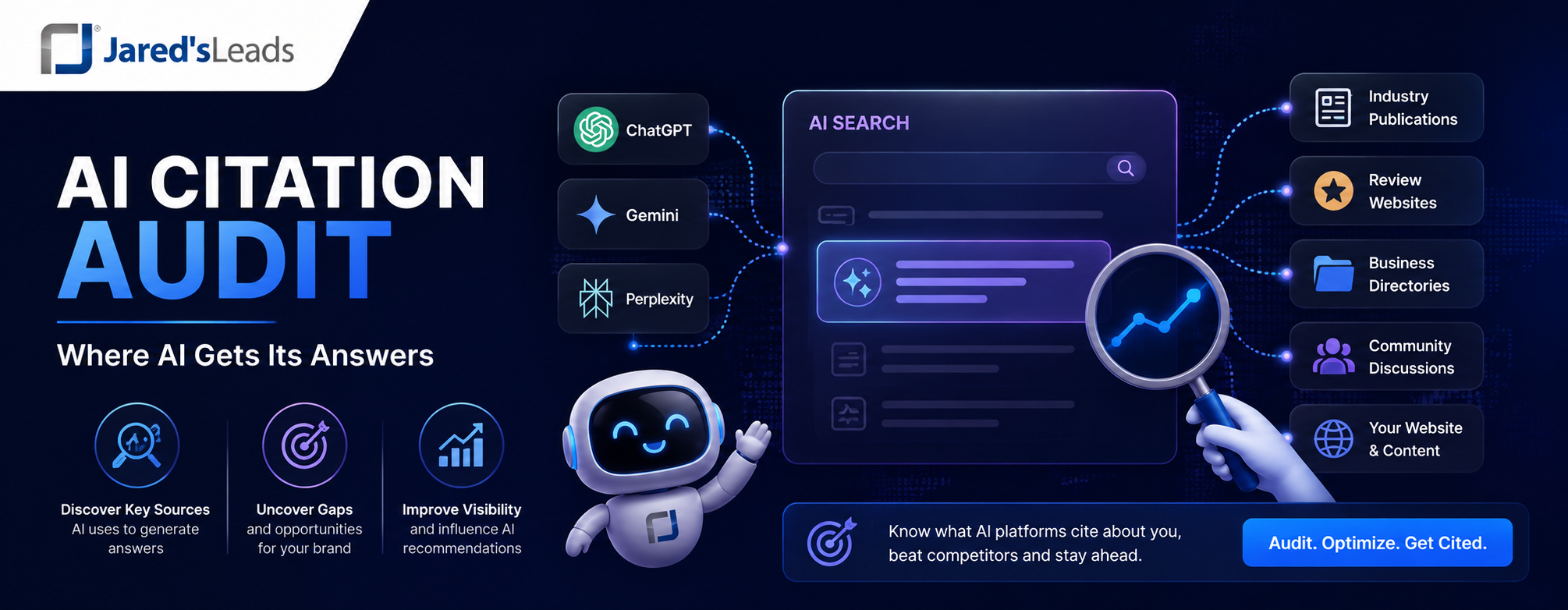
These problems require different solutions. That is why an AI search visibility audit should look beyond simple mention counts. Jared’s Leads’ existing AI visibility methodology focuses on buyer focused prompts and examines where brands appear, where they disappear, and which competitors are visible instead.
Query fanout analysis adds another layer by helping identify the information needs surrounding important buyer prompts. The result is a more diagnostic approach to AI visibility.
Instead of simply reporting that a competitor appeared more often, you can start asking what information made that competitor easier for the AI system to select.
What Query Fanouts Mean for LLM SEO
The biggest practical implication is that LLM SEO should be organized around topics, entities, relationships, and buyer questions rather than isolated keywords.
Traditional SEO still matters. Technical optimization, useful content, authority, links, and strong website architecture remain important foundations. But AI search adds another layer because the system can investigate several connected questions before generating its response.
Consider a company targeting B2B lead generation. A useful content ecosystem could cover:
- B2B lead generation
- B2B email marketing lists
- Industry specific business leads
- Sales prospecting
- Lead quality and verification
- Email marketing campaigns
- Lead nurturing
- Audience segmentation
- Data enrichment
- Lead generation comparisons
These subjects should not be published as unrelated articles simply to create more pages. They should be connected because they describe related entities, problems, services, and buyer needs.
That is where internal linking becomes particularly important.
A central guide can introduce the broader subject and point readers toward more detailed pages. Those supporting pages can link back to the main guide and to other relevant resources. This creates a natural path through the subject rather than leaving each article as an isolated piece of content.
The same principle applies to Jared’s Leads’ AI content. Someone reading about how to optimize a website for ChatGPT and other LLMs can naturally move into the broader discussion of LLM SEO versus traditional SEO and then into AEO and AI visibility measurement. This creates a connected knowledge path around AI search rather than a collection of unrelated articles.
How to Optimize Content for Query Fanouts
The first step is to stop starting with keywords alone. Start with the customer.
Think about what a potential buyer asks before contacting you, what they ask during a sales conversation, what makes them hesitate, what they compare, and what information they need before they trust a provider.
Those questions can then be organized into intent groups. A buyer researching email lists, for example, may want to understand:
- What type of email list they need
- How targeting works
- How data quality is maintained
- What industries can be targeted
- How much a list costs
- How to evaluate a provider
- How the data can be used in a campaign
Once these questions are identified, determine which deserve their own pages and which belong together within a larger article. The next step is to connect those pages with meaningful internal links.
Do not add a link merely because two pages contain the same keyword. Link them because one page genuinely helps the reader understand something discussed on another page.This creates a much more natural information structure.
The content itself should also answer questions clearly. Jared’s Leads’ AEO guide recommends direct answers, question-focused headings, useful supporting information, structured content, and clear organisation because these characteristics help AI systems understand what a page is about.
Most importantly, avoid writing content solely for an algorithm.
If an article is useful to the person reading it, clearly explains the subject, provides evidence, and connects to other relevant resources, it has a much stronger foundation for both traditional search and AI search.
How Jared’s Leads Approaches LLM SEO and AI Visibility
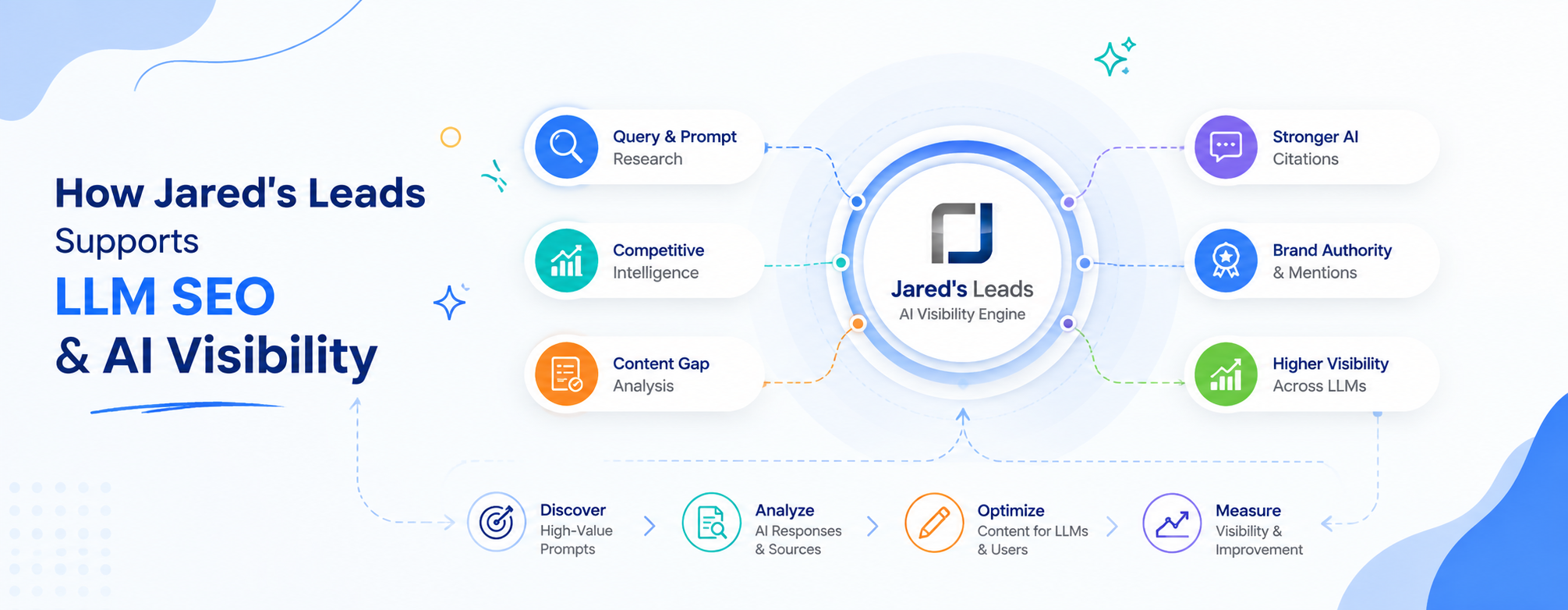
This is where query fanouts become more than an interesting technical concept.
They provide a practical way to understand why a brand appears in some AI answers and disappears from others.
Jared’s Leads approaches AI visibility from the perspective of the buyer rather than treating every prompt as an isolated keyword. Its published AEO work focuses on understanding buyer questions, measuring visibility across AI platforms, identifying competitors that appear instead, and finding the content and authority gaps that need to be addressed.
That approach fits naturally with query fanout analysis.
If a buyer asks an AI platform for the best provider in a particular category, the important question is not simply whether Jared’s Leads or another company appeared.
The more useful questions are:
- Who is the buyer?
- What problem are they trying to solve?
- What intent sits behind the question?
- What qualifiers make the question more specific?
- What related information would an AI system need?
- Which companies appear across those related searches?
- Which sources support those companies?
- Where is your brand visible?
- Where are competitors more visible?
- What content or authority signals are missing?
These answers can become an actionable LLM SEO strategy.
Jared’s Leads can help businesses evaluate their current AI visibility, develop buyer focused prompt clusters, identify content gaps, strengthen topical coverage, improve entity and authority signals, and monitor how AI platforms represent the brand over time.
This is important because AI visibility is not a one time optimization project. Competitors publish new content. New sources become influential. Customer questions change. AI platforms change how they retrieve and summarize information.
A business therefore needs an ongoing process for measuring visibility, identifying gaps, improving content, and strengthening its wider digital footprint.
That is the difference between hoping an AI platform mentions your company and deliberately building an environment in which AI systems have more reasons to understand, trust, and reference your brand.
How to Conduct a Practical Query Fanout Audit
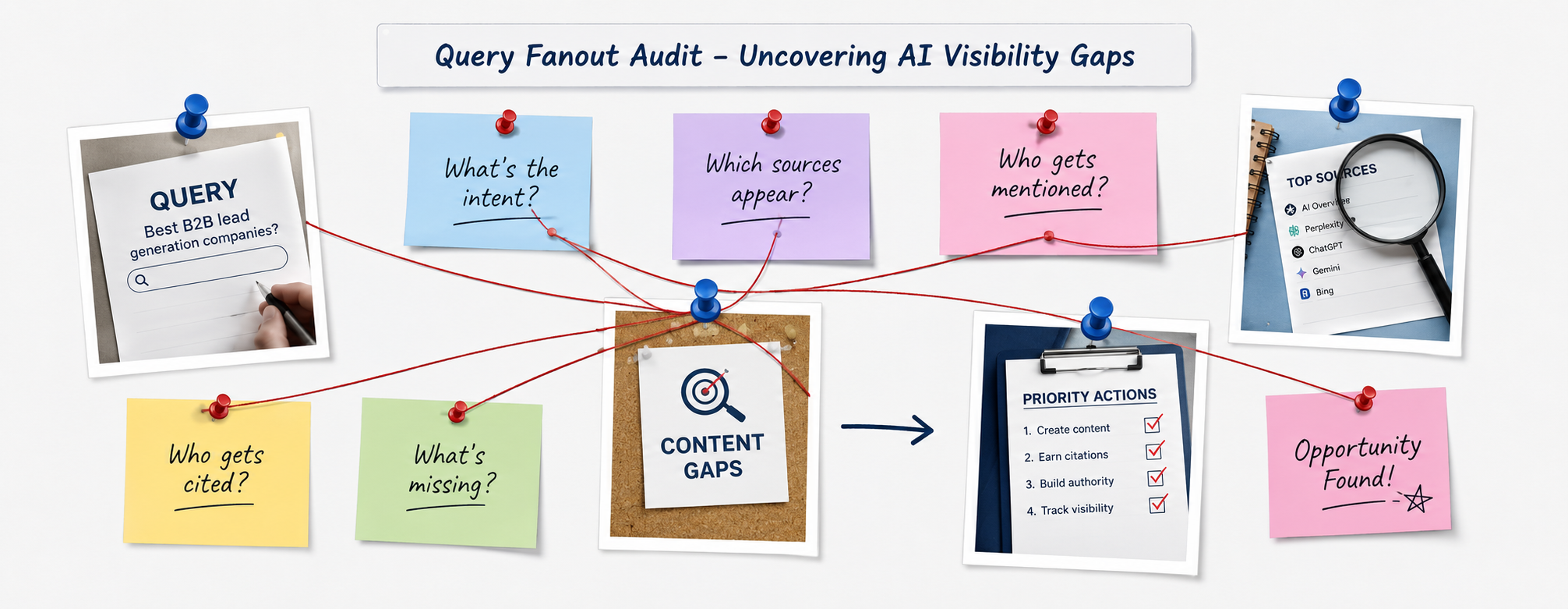
A query fanout audit does not have to begin with hundreds of prompts.
Start with the questions that matter most to the business. Select around 20 to 50 high value prompts representing different buyers, problems, industries, use cases, and stages of the buying journey.
For each prompt, examine:
- What is the customer’s actual question?
- What problem are they trying to solve?
- What qualifiers make the question more specific?
- What related questions might need to be answered?
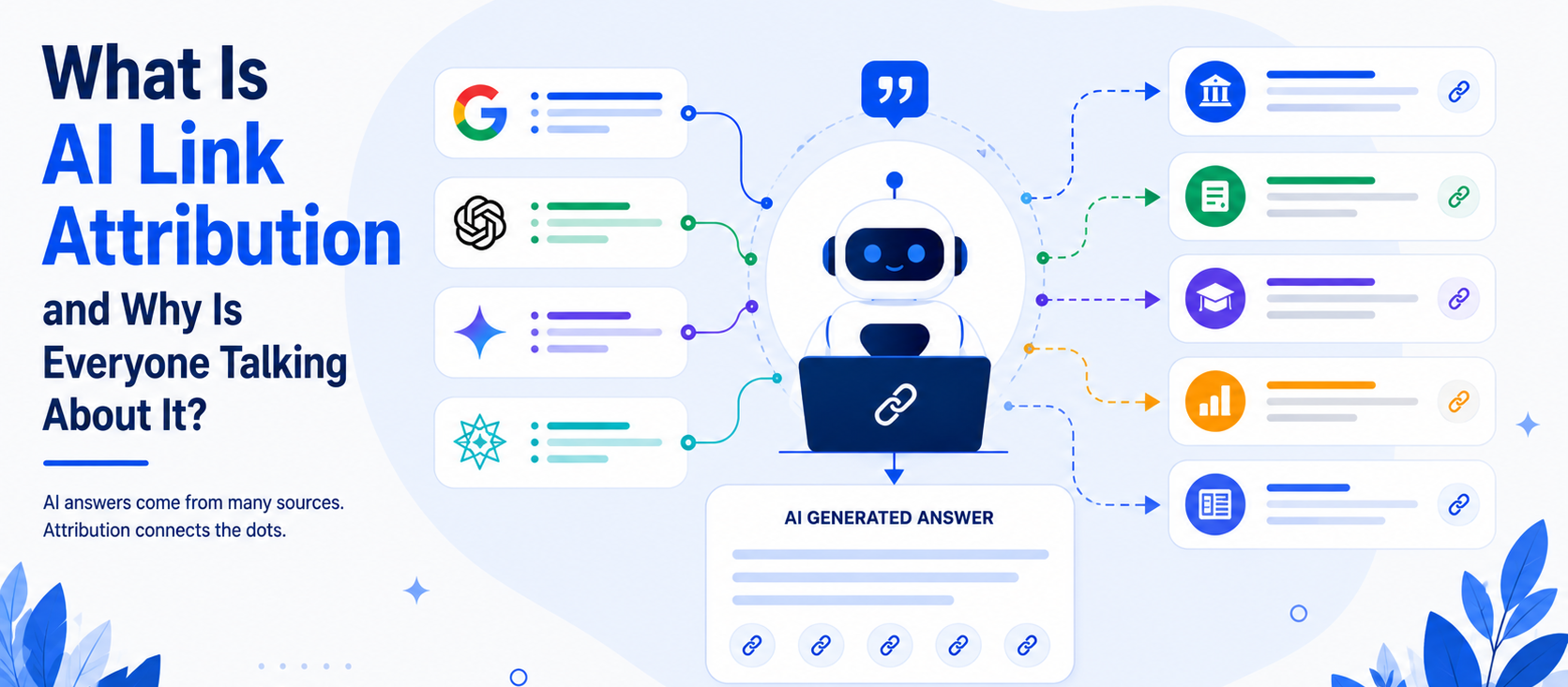
- Which sources appear in the resulting AI answers?
- Which competitors are being mentioned?
- Which pages are being cited?
- Does your website provide equivalent information?
- Are there important content gaps?
- Are there third party authority gaps?
- Is your brand information consistent across the web?
The purpose is not to guess the exact internal search process of an AI platform. That is neither practical nor necessary.
The purpose is to identify the information environment surrounding the questions that matter to your business.
Once those gaps are identified, they can become the roadmap for future content and authority building.
For example, if a competitor repeatedly appears for a particular buyer question because several reputable sources discuss its expertise, publishing another generic blog post may not solve the problem. You may need a more detailed resource, stronger supporting pages, better internal linking, expert contributions, legitimate third party mentions, improved entity information, or a combination of these.
This is where AI visibility tracking becomes useful. You can establish a baseline, monitor important prompts, identify where competitors are appearing, and use those findings to guide the next stage of optimization.
Frequently Asked Questions
Q.1. What is a ChatGPT query fanout?
A ChatGPT query fanout is the expansion of a user’s original question into multiple related searches or information needs that help an AI system investigate the subject before producing its answer. The additional searches can explore comparisons, reviews, use cases, current information, and other factors that help the system understand what the user is actually looking for.
Q.2. Why do query fanouts matter for LLM SEO?
Query fanouts matter because they show that AI search can look beyond the exact words entered by the user. A company may optimize one page for a particular keyword but still miss the related questions an AI system needs to answer. Building connected content around the wider topic gives the brand more opportunities to be discovered and referenced.
Q.3. Does traditional SEO still matter for AI search?
Yes. Traditional SEO remains an important foundation. Technical SEO, useful content, website structure, authority, links, and user experience all contribute to the overall quality of a website. LLM SEO adds another layer by considering how AI systems discover, interpret, compare, and reference information.
Q.4. Does Reddit have an impact on AI visibility?
Reddit is one of several third party sources that can appear in AI research. The research discussed by Neil Patel found a substantial increase in Reddit references within ChatGPT query fanouts during the period studied. This does not mean every company needs to focus on Reddit. It means businesses should recognize that AI systems can use information from outside the company’s own website when evaluating a topic.
Q.5. How can I find my brand’s query fanout gaps?
Start with important customer prompts and examine the questions, comparisons, sources, and competitors surrounding those prompts. Then compare that information with your existing website content and wider digital presence. The gaps can reveal where new content, stronger internal linking, better entity information, or additional third party authority may be needed.
Q.6. Can Jared’s Leads help with LLM SEO?
Yes. Jared’s Leads can help businesses evaluate AI visibility, develop buyer focused prompt clusters, identify content and authority gaps, improve topical coverage, and monitor how AI platforms represent their brands. The objective is to build a stronger digital footprint that gives AI systems more relevant and trustworthy information from which to understand the business.
Conclusion
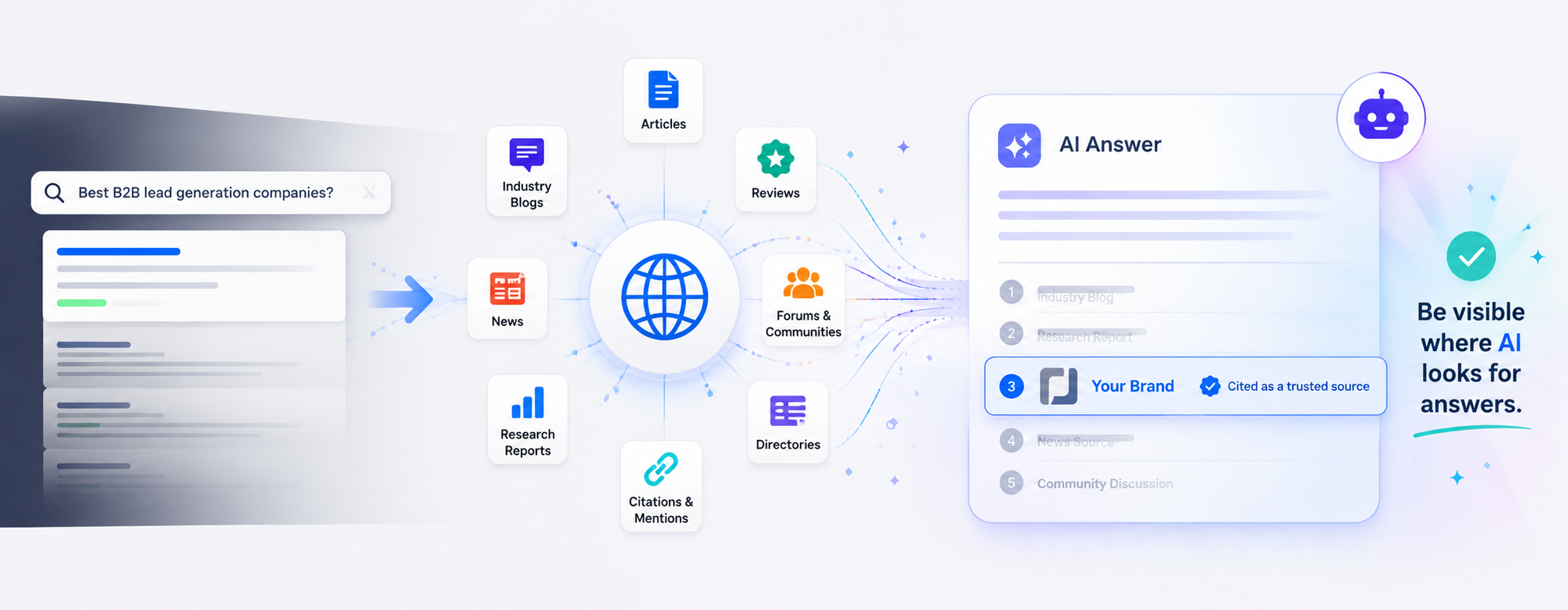
Query fanouts reveal something important about the future of AI search.
The question a customer types may only be the beginning of the research process. An AI system can investigate related subjects, compare information, look for reviews, evaluate sources, and understand the context behind the question before deciding what answer to provide.
That means businesses should stop thinking about AI visibility as simply another keyword ranking exercise.
The goal is not to predict every search an AI system might perform. The goal is to build a strong, connected information ecosystem around the questions your customers actually ask.
That means creating useful content, covering related buyer questions, building meaningful internal links, strengthening topical authority, maintaining accurate business information, and earning genuine mentions from credible sources across the wider web.
For companies serious about being discovered through AI search, query fanouts provide another useful lens for understanding what happens before the final citation.
Your brand does not need to appear everywhere. It needs to become relevant, credible, and easy to understand when AI systems investigate the topics that matter to your customers.
That is where modern LLM SEO is heading.
And that is where Jared’s Leads can help businesses build a stronger path from customer question to AI discovery, citation, and recommendation.