Key Takeaways
- AI systems have raised the standard level of personalization of services for customers. Basic personalization (like addressing a customer by their first name) falls far below standards.
- Zero-party and first-party data have the best chances of positively impacting email program conversion, and businesses are not using these data sources effectively.
- The main difference in quality between an email program and its competitors is the use of advanced automation, the conditional logic of automation, and the identification of customers’ predictive behaviors and triggers.
- Personalization will advance open and conversion rates, as well as the retention of customers and the email-driven revenue of the business.
- This is especially the case of healthcare, wellness, and high-ticket services. Because of the lengthy customer consideration phase, these types of customers have the most to gain.
The email experience is especially important for your most valuable customers.
Unfortunately, many automated email campaigns still rely on superficial personalization. Emails that begin with “[First Name], we thought you might be interested in this” are a common example. While they appear personalized, they rarely reflect the recipient’s actual interests, behavior, or relationship with the business.
Today’s customers recognize the difference. Generic personalization no longer creates engagement—it often has the opposite effect.
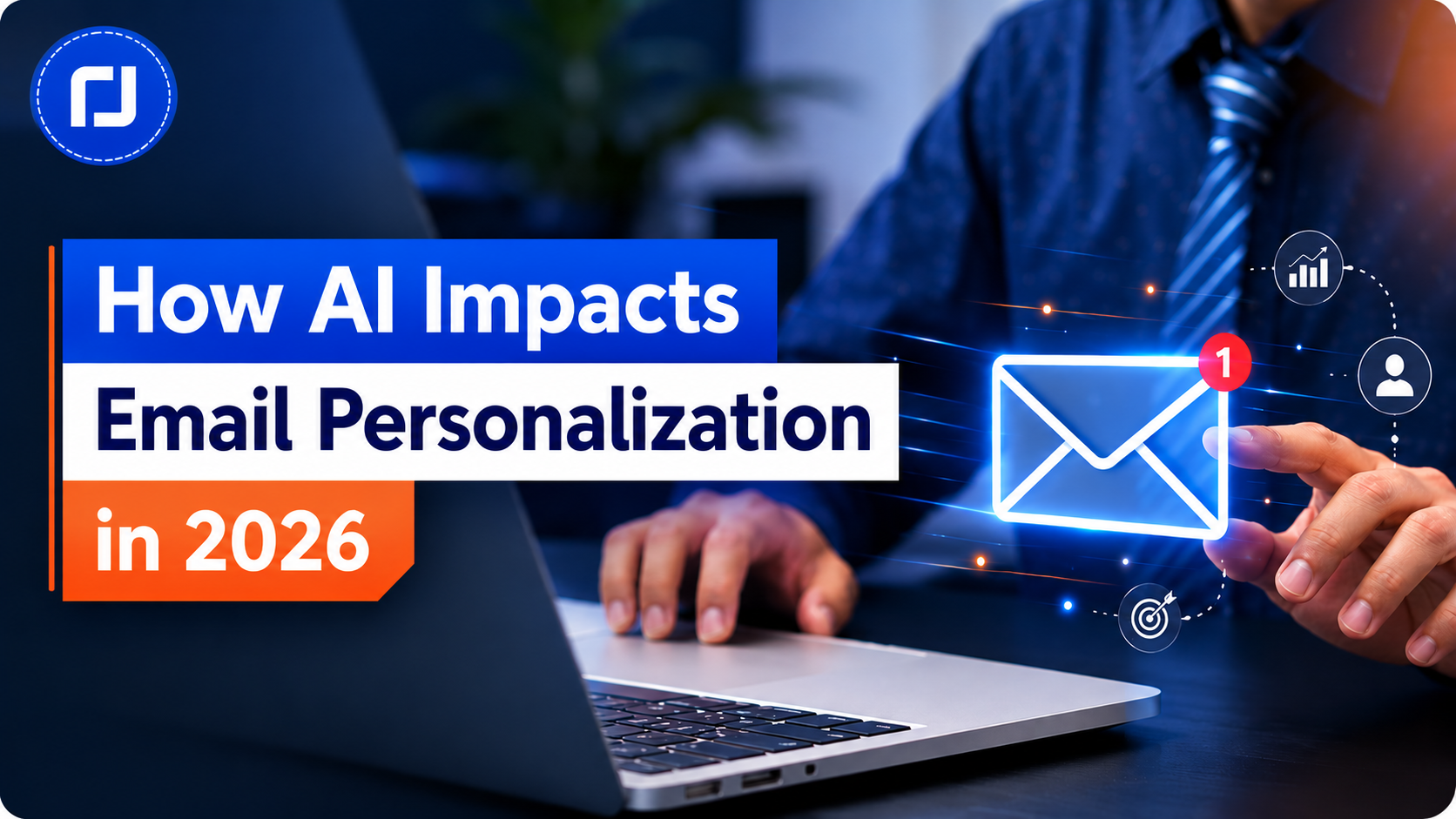
Artificial intelligence has fundamentally transformed email marketing. It has not only changed how businesses create campaigns but also raised customer expectations. People now expect emails that are timely, relevant, and genuinely personalized based on their needs and interactions.
Businesses that have embraced AI-powered personalization are seeing email engagement rates well above industry benchmarks. Those that continue sending the same generic campaigns are experiencing declining open rates, lower engagement, and increasing unsubscribes—leading many to mistakenly conclude that email marketing is no longer effective.
The reality is simple: email is not dead. Generic, outdated email campaigns are.
Here’s how your business can adapt to the expectations of today’s market and build high-performing email campaigns in 2026.
Why the Personalization Bar Moved
This is not a new concept for businesses. But what is new, are the new expectations clients have when reviewing emails.
The new reference point for clients is AI. When clients are used to a tailored and customized experience, why should they have to tolerate your poorly written, generic email?
In general, the comparison will favor virtually every other email program. Someone who just had an experience where a conversational AI helped them with a complex question will not be impressed with an email that says “This is what we do” and includes your homepage link. It is this difference, the experience the person just had from the AI, and the email the person just received with no unique content, is where email programs have the greatest challenge today.
The companies that are closing the gap understand that with better email segmentation, better email data, and a more sophisticated understanding of email automation, email programs have the potential to create a unique experience for the recipient. Those companies that don’t are getting easier and easier to forget with every email sent.
The Data Foundation: Zero-Party vs. First-Party
To create truly personalized experiences, you first need the right data. The quality of your personalization will only ever be as good as the information you collect. Two types of customer data form the foundation of effective personalization, yet most businesses fail to make full use of at least one of them.
Zero-party data (ZPD) is information that customers intentionally choose to share with your business. This could be their goals on an intake form, answers to a preference survey, or details they provide during a consultation about their challenges, priorities, and expectations.
Because customers knowingly provide this information, it’s one of the most accurate and valuable data sources available. Rather than guessing what someone wants based on their browsing or purchase history, you’re learning directly from them. That makes zero-party data far more reliable than assumptions generated by algorithms alone.
Despite its value, many businesses collect very little zero-party data. Fortunately, improving this doesn’t require a major investment. A simple two-question survey in a confirmation email, a preference questionnaire during onboarding, or adding a field such as “What’s your biggest challenge right now?” to your contact form can provide valuable insights that make future communication far more relevant and engaging.
First-party data complements zero-party data by showing how customers interact with your business. It includes information such as the emails they open, the links they click, the pages they visit on your website, and how recently they’ve engaged with your brand.
This behavioral data helps you understand where someone is in their buying journey and what they’re actively researching. While first-party data tells you what customers are doing, zero-party data explains why they’re doing it. Together, they provide a much deeper understanding of your audience than basic demographic or list segmentation ever could.
Instead of treating zero-party data as an optional survey after the customer journey has begun, make it a core part of your intake and onboarding process. The earlier you collect these insights, the sooner you can deliver relevant, personalized experiences that build trust and improve results.
What Advanced Email Personalization Really Looks Like
Basic segmentation is the starting point of email personalization. It typically involves grouping contacts based on characteristics such as location, industry, company size, or other demographic information. While this approach is better than sending the same email to everyone, it only scratches the surface of what’s possible.
The email campaigns that consistently generate revenue go much further. They use customer data, behavioral insights, and intelligent automation to deliver messages that are relevant to each individual recipient.
Automation and Conditional Logic
Take a typical inquiry form as an example. Most businesses send every new lead the exact same follow-up email, regardless of what the person shared in the form or how they found the business.
A more advanced approach uses automation and conditional logic to tailor the response. Someone who downloads a guide should receive a different email sequence than someone requesting a consultation. Likewise, a prospect interested in one service should receive different messaging than someone looking for another.
By adapting emails based on customer interests, responses, and behavior, every interaction becomes more relevant. The result is a more personalized experience that builds trust, increases engagement, and ultimately drives more conversions.
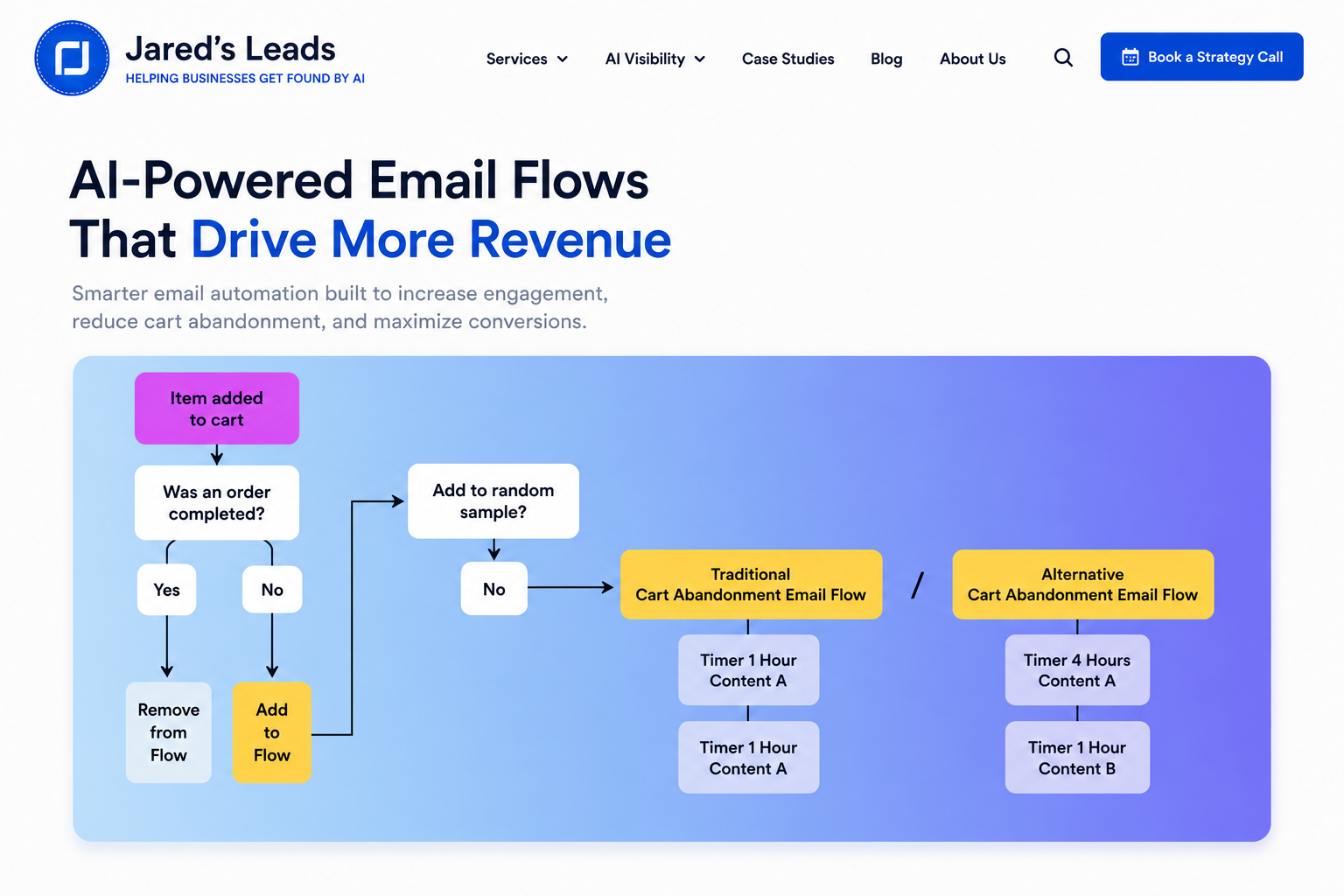
A more effective approach is to build your email automations around conditional logic.
For example, a prospect who indicates they’re ready to move forward shouldn’t receive the same email sequence as someone who is still researching their options. Likewise, a referral from a trusted source should be nurtured differently than a first-time visitor who has just discovered your business. Even the services a prospect expresses interest in should influence the communication they receive. Someone inquiring about your premium offering has different needs and expectations than someone exploring your entry-level service.
Conditional logic allows your email campaigns to adapt to each prospect’s situation instead of forcing everyone through the same generic sequence. The result is messaging that feels more relevant, more timely, and ultimately more persuasive.
While building these personalized workflows takes more planning and effort than creating a single automation for every lead, the payoff is often significant. More relevant emails lead to higher engagement, better conversion rates, and a stronger customer experience.
The same principle can be applied across every stage of your email program from lead nurturing and onboarding to customer retention and re-engagement. Nearly every automated workflow can benefit from intelligent decision paths that respond to customer behavior and intent.
AI Segmentation for Churn and Re-Engagement
Many businesses don’t attempt to re-engage prospects until they’ve already stopped opening emails or interacting with the brand. By that point, it’s often too late.
AI-powered segmentation helps identify signs of disengagement much earlier. By analyzing behavioral patterns such as declining email opens, fewer website visits, reduced click activity, or longer periods of inactivity AI can flag contacts that are becoming less engaged before they disappear completely.
This gives your business the opportunity to intervene with timely, personalized messaging, special offers, or relevant content that re-establishes interest while the relationship can still be recovered.
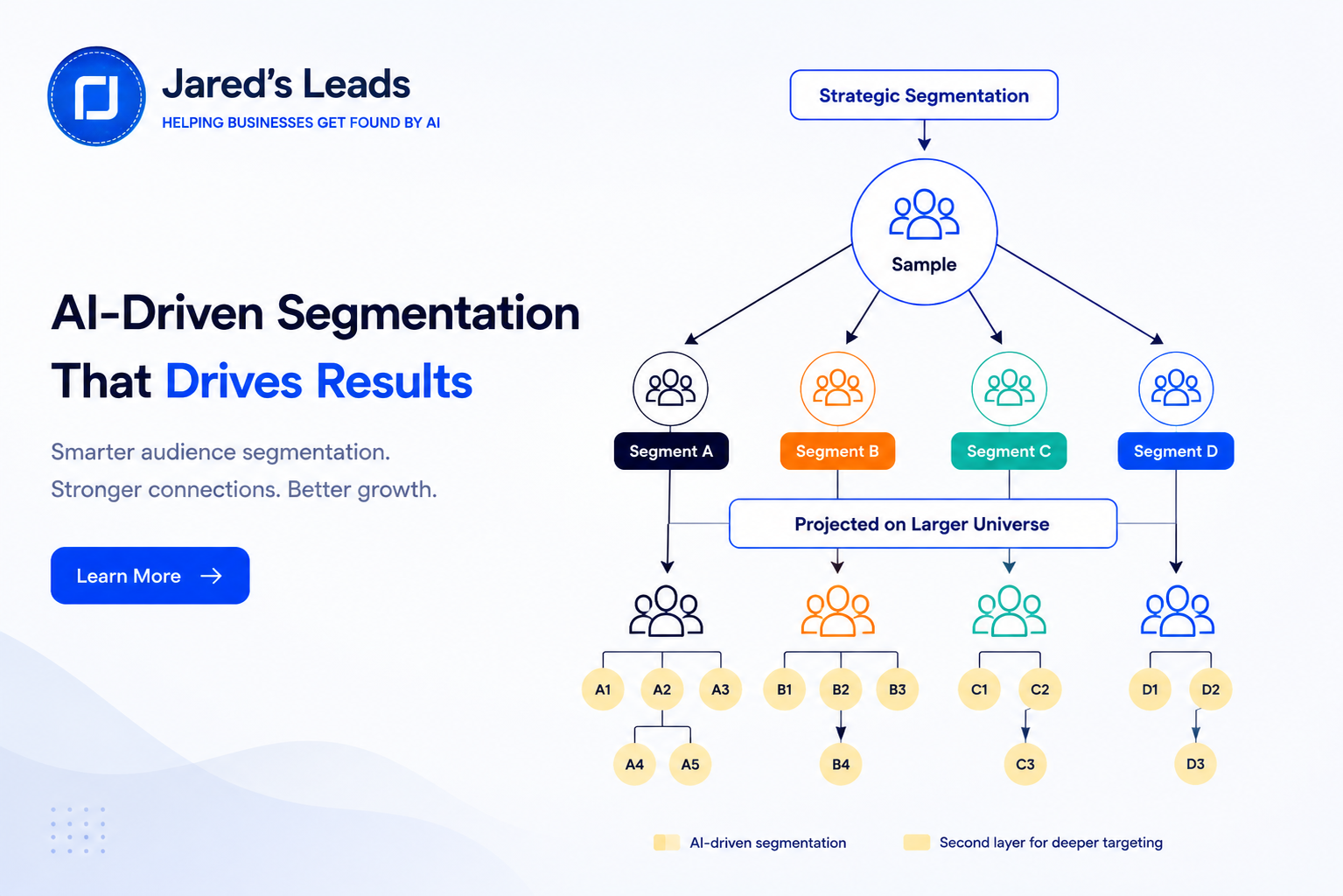
Instead of waiting until prospects have already gone cold, focus your outreach on identifying and re-engaging those who are showing early signs of disengagement. This proactive approach is far more effective than sending generic re-engagement campaigns to your entire database at predetermined intervals.
Behavioral signals, such as declining email engagement, reduced website activity, or changing interaction patterns can help you identify prospects who may be losing interest. Likewise, reaching out after a meaningful interaction with your content can be far more impactful than sending a standard “just checking in” email weeks later.
The closer your email strategy mirrors the way a strong sales team manages its pipeline, the better your results will be. High-performing sales teams don’t wait for leads to disappear before taking action they continuously monitor engagement, identify opportunities to reconnect, and nurture prospects before momentum is lost.
Your email marketing should follow the same principle: actively manage relationships throughout the customer journey, rather than trying to recover them after they’ve already disengaged.
Behavioral Triggers Over Scheduled Emails
Scheduled email campaigns still have value, but the highest-performing email programs in 2026 are driven by customer behavior rather than a fixed schedule.
For example, if a prospect visits your pricing page multiple times within a few days, they’re showing strong buying intent. Sending a relevant follow-up email shortly after that activity is far more effective than waiting for the next scheduled message.
Behavior-based automation delivers the right message at the right time, resulting in higher engagement and better conversion rates.
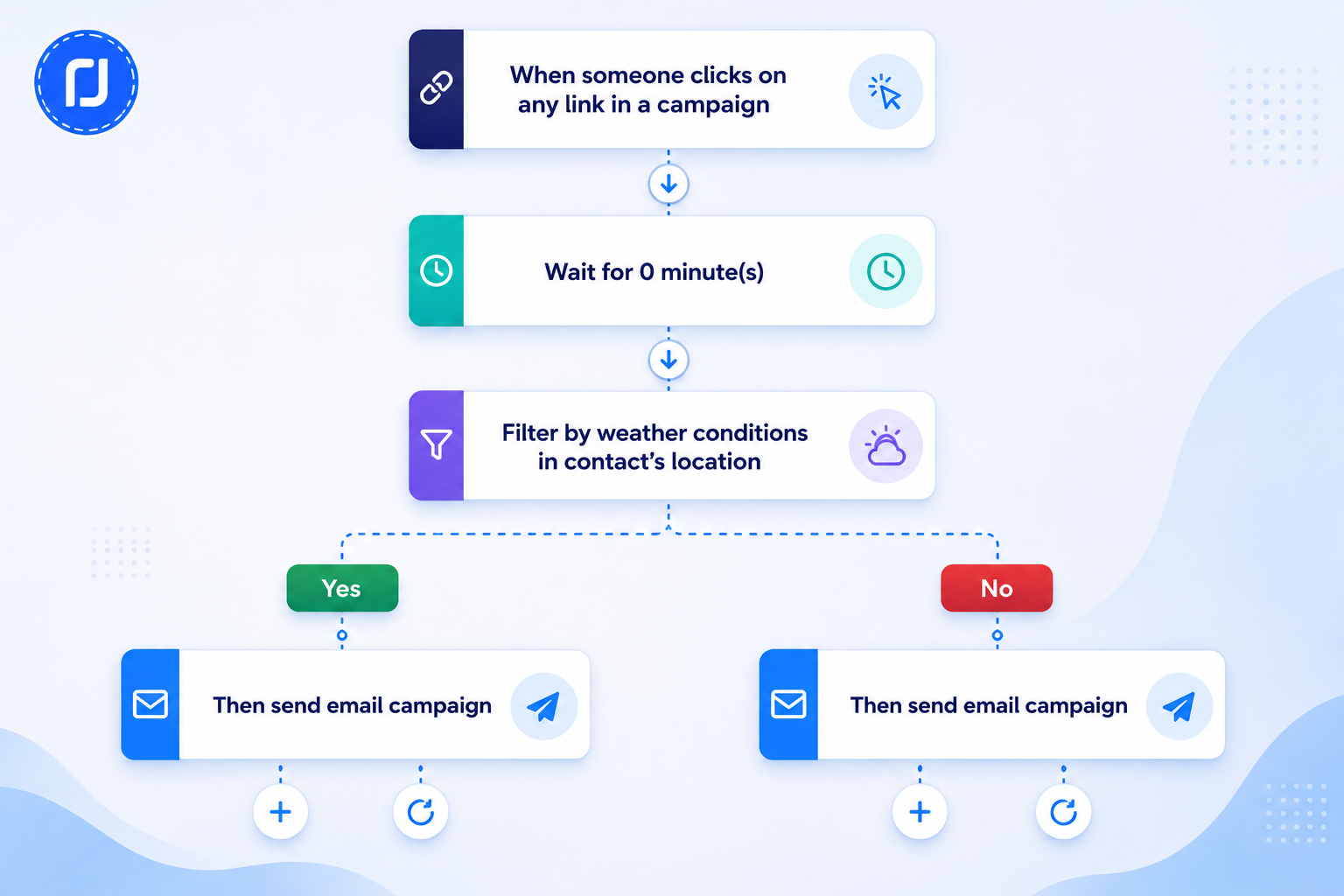
Setting up behavior-based email triggers takes more effort than creating a standard email sequence, but the results are worth it. By responding to how prospects interact with your business, you can deliver timely, relevant emails that are more likely to generate engagement and drive conversions.
Personalize Beyond the First Name
Using a prospect’s first name in the subject line or opening sentence is no longer enough. It’s now an expected feature of email marketing, not a competitive advantage.
Today’s effective personalization is built around what you know about the recipient. Instead of sending the same message to everyone, tailor your emails based on the information prospects have shared, the actions they’ve taken, or the challenges they’re trying to solve.
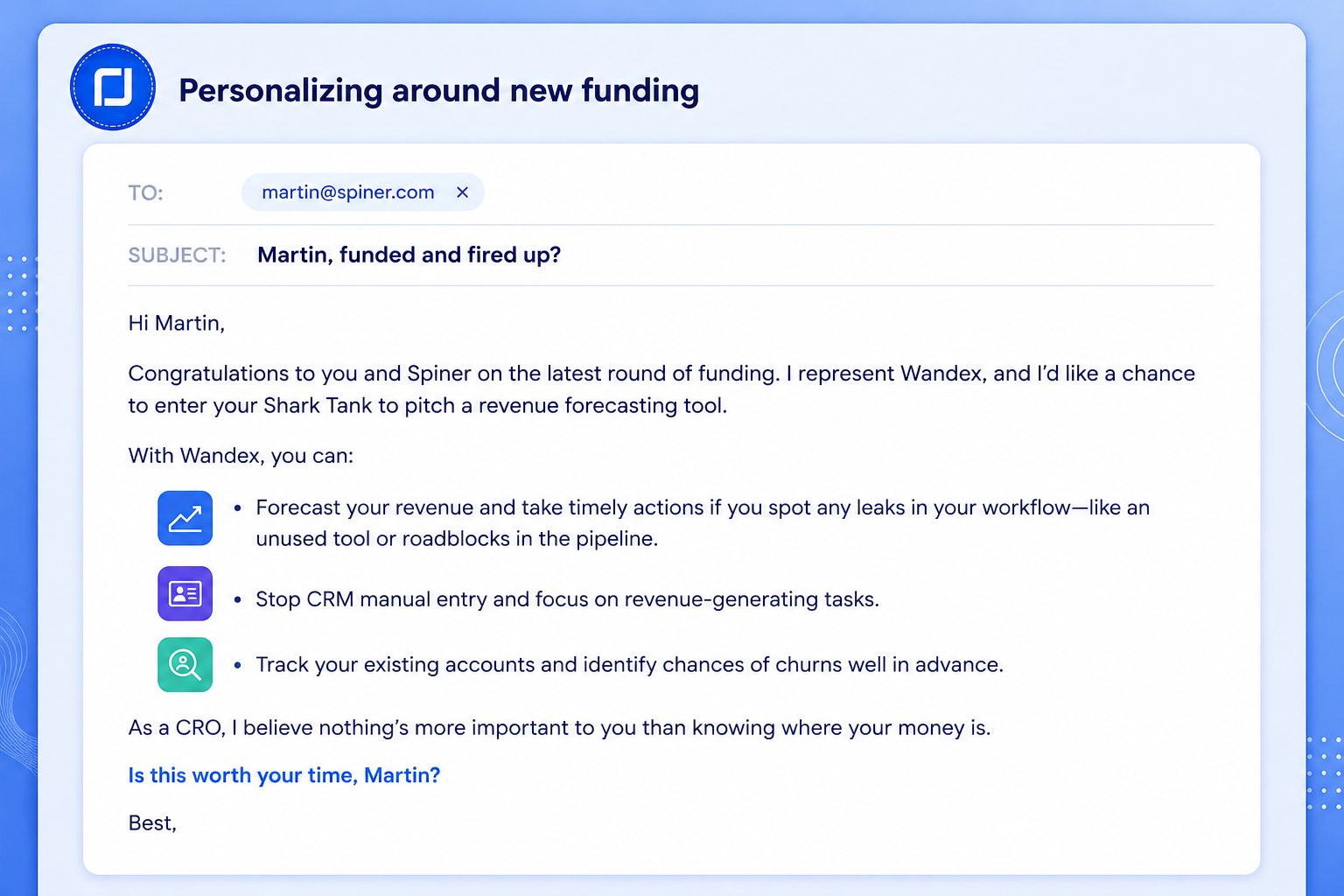
For example, a health and wellness business can feature testimonials that address the specific concerns a prospect has expressed, rather than relying on a generic success story. A professional services firm can respond directly to the challenges mentioned in a consultation request instead of sending the same capabilities statement to every lead. Similarly, a high-ticket service provider can tailor follow-up emails to match the prospect’s stated timeline, priorities, or decision-making process.
The more relevant your emails are to each prospect’s situation, the more authentic they feel. That level of personalization helps build trust, sets your business apart from competitors, and increases the likelihood of turning prospects into customers.
Building a More Personalized Email Program: Where to Start
You don’t need to rebuild your entire email marketing strategy overnight. In many cases, a few well-planned improvements can have a much greater impact than a complete redesign. Start by focusing on the areas that will make the biggest difference.
1.Move Beyond Basic Segmentation
Avoid sending every prospect through the same email sequence regardless of how they’ve interacted with your business. Instead, review each of your automated email campaigns and identify where different groups of prospects would benefit from different messaging. Consider factors such as their interests, inquiry type, referral source, or stage in the buying journey. Even a few targeted variations can make your emails significantly more relevant.
2. Build Zero-Party Data Collection into Your Intake Process
Start collecting zero-party data as early as possible. This can be as simple as adding a goal-setting question to your contact form, including a preference question on your thank-you page, or embedding a short survey in your welcome email. These small additions provide valuable insights into what prospects are looking for and allow you to personalize your follow-up from the very beginning. There’s no need to wait for a formal survey process—start gathering useful information with the tools you already have.
3. Add Conditional Logic to One Automation
Choose one of your existing automations, such as your inquiry follow-up or consultation confirmation sequence and introduce a simple conditional split. Use information you already collect, such as the service the prospect is interested in or how they found your business, to create two different email paths. Monitor the results over the next few weeks and compare engagement and conversion rates to measure the impact.
4. Create Behavior-Based Triggers
Behavioral automation helps you reach prospects when they’re most engaged. A good place to start is by creating triggers for visitors who repeatedly view important pages, such as your pricing or case studies, and for contacts who haven’t interacted with your emails for several weeks. Most modern email platforms support these automations, and they can often be implemented without changing your existing system.
5. Measure Personalized Campaigns Separately
Track the performance of your personalized campaigns independently from your general email sends. Comparing metrics such as conversion rates, survey responses, click-through rates, and sales pipeline progression will show you which personalization strategies are delivering the best results. Measuring these segments separately makes it much easier to refine your approach and continue improving your email program over time.
About Jared’s Leads
Jared’s Leads is a full-service marketing and data solutions company focused on helping businesses grow through smarter lead generation, data-driven marketing, and process optimization. Founded by entrepreneur Jared Knapp in 2008, the company has helped thousands of businesses generate demand by delivering high-quality, high-intent leads and scalable marketing systems designed to produce consistent, measurable results.
As AI continues to reshape customer expectations, Jared’s Leads has evolved its approach to email marketing and lead generation. Rather than relying on traditional email campaigns, the company builds personalized engagement systems powered by behavioral segmentation, zero-party data collection, conditional automation, and conversion-focused workflows. The result is a marketing strategy that delivers more relevant customer experiences while improving lead quality and conversion rates.
Unlike many data brokers that sell the same leads to multiple competing businesses, Jared’s Leads develops proprietary lead generation systems tailored to each client’s growth objectives. Every process is designed to help clients build long-term, sustainable growth rather than simply purchase contact lists.
The company’s data-driven approach has been refined and measured for more than a decade. That commitment to continuous improvement contributed to Jared’s Leads being recognized on the Inc. 5000 list of America’s Fastest-Growing Private Companies in 2022, 2024, and 2025. In April 2026, the company achieved another verified growth milestone, reflecting the continued success of its marketing systems and the measurable results they generate for clients.
Frequently Asked Questions
What does it mean to personalize an email?
Email personalization is the process of tailoring emails to each recipient based on the information you know about them and how they’ve interacted with your business. While adding a recipient’s first name is still common, true personalization goes much further. It includes sending different content based on customer preferences, interests, behavior, and stage in the buying journey. Automation, conditional logic, dynamic content, and optimized send times all work together to create emails that feel timely, relevant, and written specifically for the individual receiving them.
What is zero-party data in email marketing?
Zero-party data is information that customers intentionally and willingly share with your business. This may include responses collected through contact forms, onboarding questionnaires, preference centers, consultations, or surveys. Unlike first-party data, which is gathered by observing customer behavior, zero-party data comes directly from the customer and provides clear insight into their goals, preferences, and needs. Because it’s voluntarily shared, it’s one of the most valuable data sources for creating highly personalized email campaigns.
How can AI improve email personalization?
AI helps businesses deliver more relevant email experiences by analyzing customer behavior and engagement patterns in real time. It can identify contacts that are beginning to disengage, recommend the best time to send emails, trigger automated follow-ups based on specific actions, and personalize content according to each recipient’s interests and intent. Rather than relying on fixed schedules, AI enables email programs to adapt to customer behavior, resulting in higher engagement and improved conversion rates.
Which email segmentation strategies work best for service businesses?
For most service-based businesses, behavioral segmentation consistently outperforms demographic segmentation. Grouping prospects based on factors such as their service interests, inquiry source, engagement level, buying stage, and the content they’ve viewed creates far more relevant follow-up campaigns than simply segmenting by location or company size. Combining behavioral data with zero-party data provides a deeper understanding of customer intent and allows businesses to deliver more personalized, conversion-focused communication. For healthcare providers and high-ticket service businesses in particular, tailoring follow-up emails to the goals or concerns prospects share during their initial inquiry often produces some of the strongest results.
Do I need a new email platform to improve personalization?
In most cases, no. Modern email marketing platforms already include features such as behavioral segmentation, automation, conditional logic, and triggered campaigns. For most businesses, the biggest opportunity isn’t replacing the platform it’s making better use of the customer data they already collect. By improving zero-party data collection and enhancing your highest-impact automation sequences, you can significantly improve personalization without investing in new software. Stronger data and better workflow design typically have a much greater impact than switching platforms.
Conclusion
Email personalization in 2026 is about much more than adding a recipient’s name to the subject line. It’s about understanding who your prospects are, what they need, where they are in the buying journey, and delivering the right message at exactly the right time.
Strategies such as zero-party data collection, behavioral triggers, conditional automation, and intelligent audience segmentation enable businesses to create more relevant and engaging email experiences without rebuilding their entire marketing infrastructure. In many cases, the biggest improvements come from making better use of the data you already have rather than investing in new technology.
Businesses that embrace these strategies are building stronger pipelines, generating higher-quality leads, improving customer engagement, and increasing long-term retention. Those that continue relying on generic email campaigns risk losing prospects to competitors who are delivering more personalized and timely experiences.
The future of email marketing isn’t about sending more emails it’s about sending smarter ones.
Build an Email Program That Converts with Jared’s Leads
If your email campaigns are still built around one-size-fits-all messaging, now is the time to rethink your approach. Jared’s Leads helps businesses build AI-powered email marketing systems that combine personalization, behavioral automation, and data-driven decision-making to generate better engagement, higher-quality leads, and measurable business growth.
From improving zero-party data collection and audience segmentation to designing intelligent automation workflows and conversion-focused email sequences, Jared’s Leads creates systems that are built for today’s buyers—not yesterday’s marketing strategies.
Whether you’re looking to improve an existing email program or build a more effective lead generation system from the ground up, our team can help.
Schedule a complimentary Email Personalization Assessment with Jared’s Leads and discover practical opportunities to improve your email performance, increase conversions, and unlock new revenue through smarter, AI-driven email marketing.